


There is something almost magical about the first heavy shower of the monsoon season. The air fills with the scent of wet earth, parched soil transforms into lush ground practically overnight, and plants that were merely surviving suddenly explode with new growth. If you have ever noticed how everything looks greener, more vibrant, and alive during the rainy season, there is solid science behind that observation.
The monsoon season, which typically runs from June through September across South Asia and tropical regions worldwide, creates a uniquely favorable environment for plant growth. Ambient humidity can rise from a dry 30% to a lush 80% or higher. Soil temperatures moderate, encouraging deeper root development. The consistent availability of water removes one of the biggest stressors plants face. And the softened light on overcast days reduces photosynthetic stress for many shade-tolerant species.
Research published in Plant and Soil has shown that roots establish up to 40% faster when planted in naturally moistened, humid conditions compared to artificial irrigation in dry soil. That is why experienced gardeners have always treated the monsoon as a golden planting window.
Beyond the horticultural advantages, there is a deeply human dimension to growing plants during the rains. Studies from institutions including the University of Exeter have found that access to greenery and natural elements significantly reduces cortisol levels (the primary stress hormone). Bringing lush monsoon plants into your living spaces does not just beautify your home — it actively supports your mental wellbeing.
In this comprehensive guide, you will discover the best rainy season plants for every kind of home — from compact urban apartments to sprawling garden terraces. Whether you are looking for easy to care for house plants that thrive in low light, or dramatic outdoor specimens that erupt in color with every rainfall, this guide has you covered.
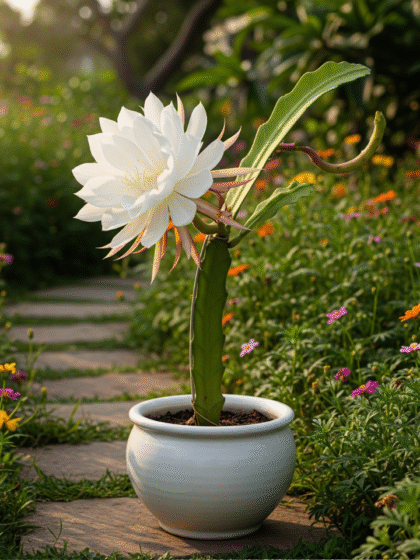
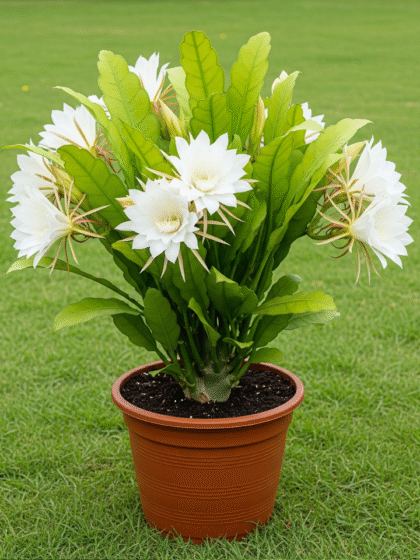
Bhrahma kamal plant
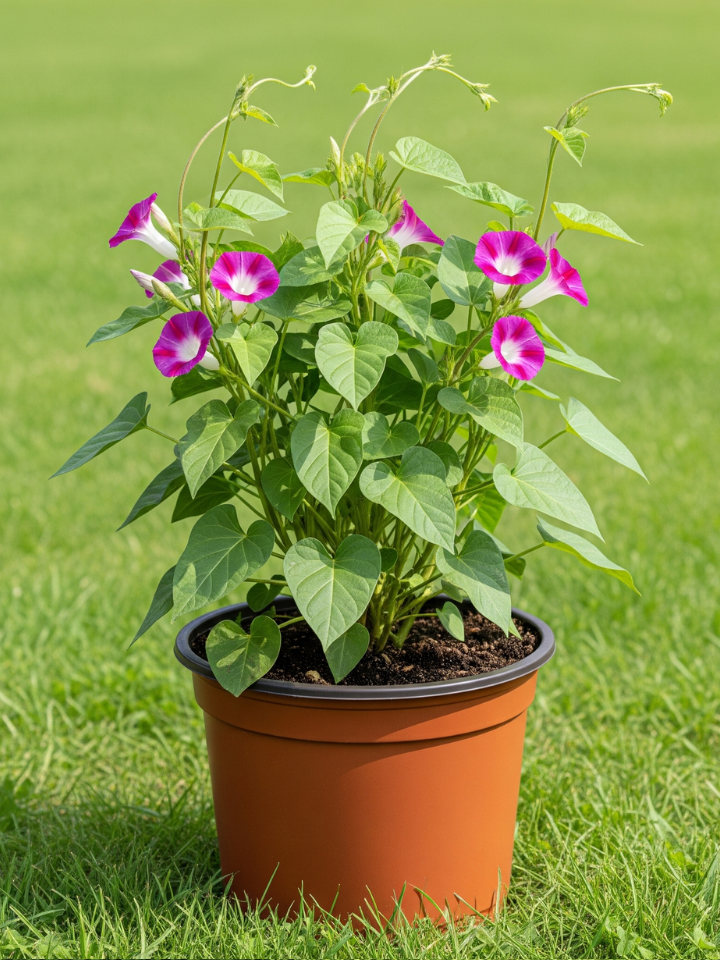

Morning Glory Plant


Rain Lily

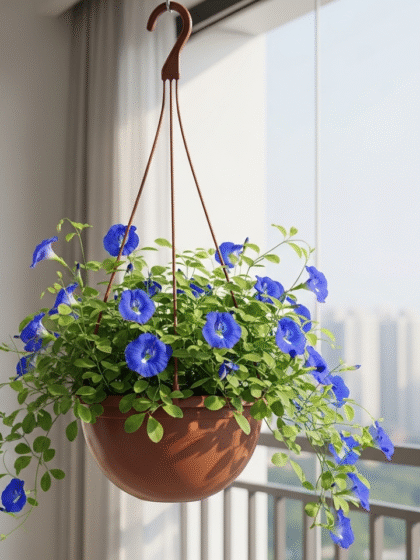
Butterfly Pea Vine (Aparajita Plant)
Why Monsoon Is the Best Season for Gardening
Experienced gardeners will tell you that plants installed during the monsoon often outperform those planted during any other season. Here is why that rule holds true.
1. Increased Humidity Reduces Transplant Shock
When you move a plant from one location to another — whether from a nursery pot to your garden bed or from one pot to a larger container — it experiences transplant shock. High ambient humidity during the rainy season slows water loss through leaves, giving roots time to establish before the plant begins to stress. The result is a healthier, faster-adapting plant from day one.
2. Natural Rainfall Cuts Watering Labour
Regular irrigation can consume a surprising amount of time, especially if you have a large garden. The monsoon eliminates this burden almost entirely. You simply plant, observe, and let nature handle the hydration schedule. This also ensures plants receive water that is naturally soft and free from the dissolved salts that can build up with tap water irrigation over time.
3. Soil Moisture Encourages Deep Root Growth
Consistently moist soil allows roots to grow deeply rather than clustering near the surface in search of water. Deep root systems make plants more drought-resistant once the monsoon ends, and they also improve structural stability for larger shrubs and trees. This is one of the most underappreciated benefits of monsoon planting.
4. Faster Establishment Means Faster Rewards
Warm soil temperatures combined with high humidity create near-ideal germination and establishment conditions. Seeds sprout quickly, cuttings root with less effort, and divisions establish without prolonged wilting. For a gardener eager to see results, the monsoon simply delivers faster.
5. Environmental Benefits That Go Beyond Your Garden
Gardens established during the monsoon contribute meaningfully to local ecosystems. They support pollinators during a critical feeding period, reduce surface water runoff, improve soil carbon capture, and help lower the urban heat island effect. Choosing the right monsoon plants is both a personal and environmental investment.
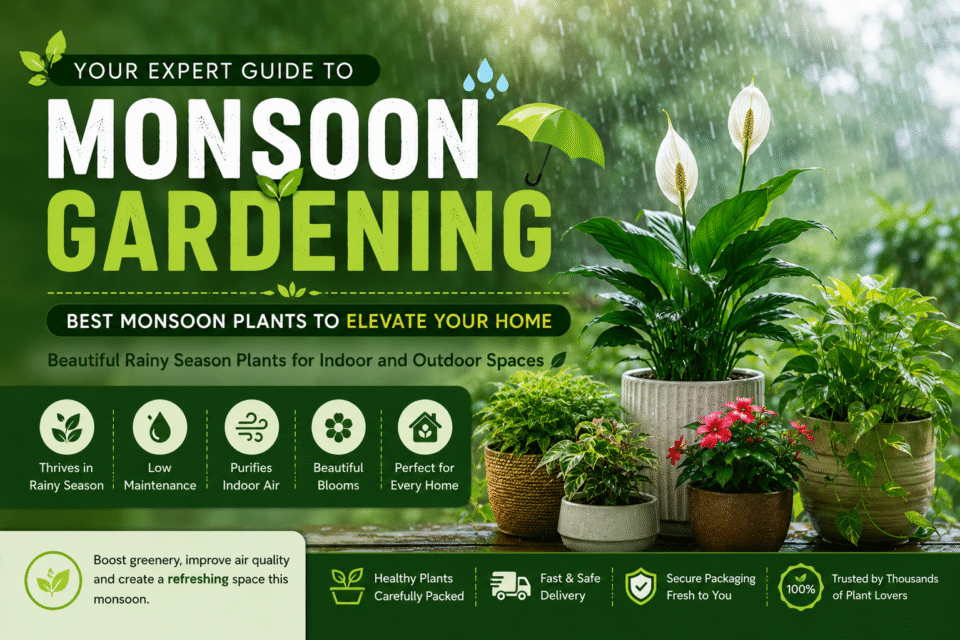
Top Monsoon Plants That Beautify Indian Homes
The following plant profiles cover the most popular and rewarding choices for monsoon gardening. You will find all season flower plants for home alongside species that specifically peak during the rains. Each entry is written to help you make an informed choice based on your specific space, lifestyle, and goals.
My Plant Guide
17 wonderful plants for the monsoon season
| Money Plant (Epipremnum aureum) | |
|---|---|
Key Features Heart-shaped, waxy leaves in shades of green, golden yellow, and variegated white. Trails naturally or can be trained to climb. Grows readily in water or soil. Growing Conditions Indirect light to low light. Warm temperatures between 18-30 degrees C. Tolerates poor soil but prefers well-draining mix. Suitability Indoor (ideal) and Outdoor (shaded spots). Perfect for both. | Care Tips Minimal watering – allow soil to dry slightly between waterings. Trim regularly to encourage bushiness. Wipe leaves monthly. Benefits Removes formaldehyde and benzene from indoor air. Extremely forgiving for beginners. Thrives with minimal attention during the humid monsoon months. |
| Peace Lily (Spathiphyllum wallisii) | |
|---|---|
Key Features Glossy dark green leaves with elegant white spathes that resemble a sail. Known for a subtle, pleasant fragrance when blooming. Growing Conditions Low to medium indirect light. Temperatures between 18-27 degrees C. Prefers consistently moist, well-draining soil. Suitability Indoor – ideal for living rooms, bedrooms, and home offices. | Care Tips Water when top inch of soil feels dry. Mist leaves occasionally. Keep away from direct sun to prevent leaf scorch. Benefits One of NASA’s top air-purifying plants, removing ammonia, benzene, and trichloroethylene. The blooming white spathes add a calming elegance to any room. |
| Areca Palm (Dypsis lutescens) | |
|---|---|
Key Features Feathery, arching fronds with a tropical look. Can grow 1.5-2.5 metres indoors. Creates a natural room divider or focal point. Growing Conditions Bright indirect light. Well-draining, slightly acidic soil. Avoid waterlogging at all costs. Suitability Both – indoors in bright spots, outdoors in filtered shade. | Care Tips Water moderately during monsoon – check that the pot has excellent drainage. Wipe fronds to remove dust. Fertilise lightly once a month. Benefits Among the most effective air-humidifying plants available. Naturally removes xylene and toluene from indoor air. Adds an immediate tropical resort feel to any space. |
| Snake Plant (Sansevieria trifasciata) | |
|---|---|
Key Features Stiff, upright sword-like leaves with green banding and often a yellow border. Architectural in appearance. Almost indestructible in nature. Growing Conditions Extremely adaptable – thrives in low light to bright indirect light. Tolerates temperatures as low as 10 degrees C. Suitability Indoor (primary), Outdoor (sheltered spots, not direct heavy rain). | Care Tips Water very sparingly – the monsoon humidity alone is often sufficient. Ensure pot drainage is excellent to prevent root rot. Benefits Uniquely converts CO2 to oxygen at night, making it ideal for bedrooms. Filters airborne toxins including formaldehyde and benzene with minimal care. |
| Ferns (Various Species) (Nephrolepis exaltata / Adiantum sp.) | |
|---|---|
Key Features Delicate, feathery fronds ranging from compact tabletop varieties to large statement specimens. Hundreds of species available for every setting. Growing Conditions High humidity and indirect light. Consistently moist (not waterlogged) soil. Cool to moderate temperatures. Suitability Both – Boston Fern (hanging baskets), Maidenhair Fern (tabletop), Tree Fern (outdoor focal point). | Care Tips Keep soil evenly moist throughout the growing season. Mist daily if indoors in air conditioning. Trim brown fronds promptly. Benefits Highly effective natural humidifiers. Removes formaldehyde from air. The monsoon is the single best season to establish new ferns as they naturally thrive in high humidity. |
| Caladium (Caladium bicolor) | |
|---|---|
Key Features Stunning heart-shaped leaves in dramatic combinations of red, pink, white, and green. Each leaf is unique, like a natural painting. Growing Conditions Bright indirect light for vibrant colour. Moist, well-draining soil rich in organic matter. Warm temperatures above 18 degrees C. Suitability Both – thrives indoors with bright indirect light, outdoors in dappled shade. | Care Tips Keep consistently moist during the growing season. Avoid waterlogging. Protect from direct afternoon sun. Reduce water if leaves begin to yellow. Benefits Purely ornamental but breathtaking. Transforms dull corners into vibrant focal points. The monsoon’s humidity perfectly mimics the tropical conditions Caladiums naturally love. |
| Syngonium (Syngonium podophyllum) | |
|---|---|
Key Features Arrow-shaped leaves that mature into a lobed form. Available in green, pink, white, and burgundy varieties. Compact and well-suited for small spaces. Growing Conditions Low to medium indirect light. Moist, well-draining soil. Prefers temperatures between 16-27 degrees C. Suitability Primarily Indoor, but can thrive in shaded outdoor spots. | Care Tips Water moderately – the natural humidity during monsoon significantly reduces watering frequency. Pinch back to maintain compact shape. Benefits Effective at filtering benzene, formaldehyde, and xylene. Its compact, trailing habit makes it versatile for shelves, hanging pots, and terrariums. |
| Spider Plant (Chlorophytum comosum) | |
|---|---|
Key Features Graceful arching green leaves, often with a cream or white central stripe. Produces cascading spiderette offshoots that make propagation effortless. Growing Conditions Bright to medium indirect light. Well-draining soil. Tolerates a wide temperature range between 13-27 degrees C. Suitability Both – spectacular in hanging baskets indoors or outdoors in sheltered spots. | Care Tips Water regularly but allow soil to partially dry between waterings. The monsoon generally provides ideal hydration. Trim brown leaf tips if they appear. |
| Monstera (Monstera deliciosa) | |
|---|---|
Key Features Iconic split leaves (fenestrations) that create an instantly recognisable tropical look. Grows dramatically and makes any space feel like a rainforest. Growing Conditions Medium to bright indirect light. Rich, well-draining soil. Warm, humid conditions between 18-30 degrees C. Suitability Indoor – best as a statement plant in living rooms or corners with good indirect light. | Care Tips Allow top 2-5 cm of soil to dry between waterings. The monsoon provides near-ideal natural conditions. Provide a moss pole for climbing support. Benefits Releases significant moisture into the air through transpiration, naturally humidifying your indoor environment. Its bold foliage dramatically transforms any interior space. |
| Philodendron (Philodendron hederaceum / P. bipinnatifidum) | |
|---|---|
Key Features Available in climbing and non-climbing varieties. Heart-leaf Philodendron is a classic beginner plant; split-leaf varieties offer drama. Growing Conditions Low to bright indirect light. Moist, well-draining potting mix. Prefers temperatures above 15 degrees C. Suitability Both – climbing varieties can grow outdoors in sheltered spots; compact varieties thrive indoors. | Care Tips Water when the top layer of soil feels dry. Avoid overwatering – especially important during monsoon. Wipe leaves for best appearance. Benefits Effectively removes formaldehyde from indoor air. Among the most adaptable of all tropical houseplants, making it perfect for gardening beginners. |
| Bougainvillea (Bougainvillea spectabilis) | |
|---|---|
Key Features Vibrant papery bracts in shades of magenta, orange, white, and purple. Thorny climbing vine that can cover walls, fences, and pergolas with stunning colour. Growing Conditions Full sun – at least 5-6 hours daily. Well-draining soil. Drought-tolerant once established. Suitability Outdoor – ideal for walls, fences, arches, and large containers on terraces. | Care Tips Water moderately – do not overwater during monsoon. Prune after each bloom cycle to encourage re-flowering. Use a phosphorus-rich fertiliser for best blooming. Benefits Creates breathtaking vertical colour in outdoor gardens with minimal maintenance. The combination of monsoon rains and sunny spells encourages vigorous growth and repeated blooming cycles. |
| Hibiscus (Hibiscus rosa-sinensis) | |
|---|---|
Key Features Large, trumpet-shaped blooms in red, yellow, pink, orange, and white. Can bloom almost continuously through the growing season. Growing Conditions Full sun to partial shade. Well-draining, mildly acidic soil. Regular fertilisation during the growing season. Suitability Outdoor – excellent in garden beds, as hedging, or in large containers. | Care Tips Water regularly but ensure excellent drainage. Prune lightly to maintain shape. Apply potassium-rich fertiliser bi-weekly for prolific blooming. Benefits Beyond pure beauty, Hibiscus flowers are edible and used in traditional herbal preparations. The monsoon season represents the peak blooming period for most varieties. |
| Rain Lily (Zephyranthes sp.) | |
|---|---|
Key Features Delicate, crocus-like flowers in white, pink, and yellow that appear almost immediately after heavy rain, living up to their evocative name. Growing Conditions Full to partial sun. Well-draining soil. Bulbs prefer periods of dryness between waterings – the rain provides the signal to bloom. Suitability Outdoor – naturalize beautifully in garden beds, borders, and lawn edges. | Care Tips Plant bulbs before the monsoon begins. No supplemental watering needed during the rainy season. Allow foliage to die back naturally before lifting bulbs. Benefits Among the most rewarding and low-maintenance of all flowering bulbs. Their appearance literally announces heavy rain, adding a seasonal, living rhythm to your garden. |
| Jasmine (Jasminum sambac / J. officinale) | |
|---|---|
Key Features Small, intensely fragrant white flowers borne in clusters. Mogra (Jasminum sambac) is particularly beloved in South Asia for its fragrance and cultural significance. Growing Conditions Full sun to bright indirect light. Well-draining, loamy soil. Warm temperatures between 20-30 degrees C. Suitability Both – grows beautifully in balcony pots, garden trellises, and indoor bright-light positions. | Care Tips Water regularly but avoid waterlogging. Train onto a trellis or allow to trail. Light pruning after each bloom flush encourages new growth and flowers. Benefits The fragrance of Jasmine is scientifically associated with reduced anxiety and improved sleep quality. A potted Jasmine on a monsoon evening is one of gardening’s most sensory pleasures. |
| Ixora (Ixora coccinea) | |
|---|---|
Key Features Dense clusters of tiny tubular flowers in brilliant orange-red, yellow, pink, and white. Compact, shrubby habit ideal for formal hedging or container growing. Growing Conditions Full sun to partial shade. Well-draining, slightly acidic soil. Warm, humid climate – makes it perfectly suited to the Indian monsoon. Suitability Outdoor – thrives as a hedge, border plant, or specimen shrub. | Care Tips Water consistently during the growing season. Avoid alkaline tap water if possible. Prune lightly after each bloom cycle. Fertilise monthly with an iron-rich fertiliser. Benefits Provides a continuous display of vibrant colour from early monsoon through autumn. The dense foliage also creates excellent habitat for garden birds. |
| Coleus (Plectranthus scutellarioides) | |
|---|---|
Key Features Grown entirely for its spectacularly coloured foliage – combinations of red, green, orange, yellow, and purple in striking geometric patterns. Growing Conditions Partial shade to bright indirect light. Moist, well-draining soil. Prefers warm temperatures but dislikes harsh afternoon sun. Suitability Both – ideal for shaded balcony corners, window boxes, and garden borders. | Care Tips Keep soil consistently moist during the monsoon. Pinch flower buds as they appear to encourage bushier, more colourful foliage. Easy to propagate from cuttings. Benefits Delivers extraordinary colour in shaded spots where flowering plants often struggle. The monsoon’s combination of diffused light and consistent moisture creates ideal Coleus conditions. |
| Pothos (Epipremnum pinnatum) | |
|---|---|
Key Features Waxy, heart-shaped leaves in green, golden yellow, neon green, or marble variegated forms. One of the most popular houseplants globally for very good reasons. Growing Conditions Low light to bright indirect light. Tolerates most soil types if drainage is adequate. Wide temperature tolerance from 10-35 degrees C. Suitability Both – works in soil pots, hanging baskets, water bottles, and as outdoor ground cover in shade. | Care Tips Water when soil feels dry to the touch. During monsoon, natural humidity reduces watering needs significantly. Trim regularly to encourage dense growth. |
Best Flowering Plants for the Rainy Season: Quick Comparison
Plant | Bloom Period | Maintenance | Sunlight | Best For |
Hibiscus | Jun–Sep | Moderate | Full Sun | Outdoor garden |
Bougainvillea | Year-round | Low | Full Sun | Fence/wall climbing |
Rain Lily | Post-rain | Very Low | Full-Part Sun | Pots & borders |
Jasmine | Jun–Aug | Low | Full-Part Sun | Fragrance & trellises |
Ixora | Jun–Oct | Moderate | Full Sun | Hedges & beds |
Peace Lily | Jun–Aug | Low | Low-Med Light | Indoor living rooms |
Spider Plant | Occasionally | Very Low | Indirect Light | Hanging baskets |
Coleus | Jul–Sep | Low | Part Shade | Color in shade beds |
Best Indoor Plants During Monsoon Season
Creating a productive indoor garden during the rains requires choosing plants that love humidity and tolerate the lower light that comes with overcast skies. These are the species that genuinely flourish indoors during the rainy season. For more options, explore the range of plants available when you buy indoor plants specifically suited to Indian monsoon conditions.
Air-Purifying Champions
The plants listed below have been studied by NASA and independent researchers for their ability to remove common indoor pollutants. During the monsoon, when homes are often kept closed to rain and humidity, indoor air quality becomes particularly important.
- Peace Lily: Removes ammonia, benzene, formaldehyde, trichloroethylene, and xylene from indoor air.
- Snake Plant: One of the few plants that produces oxygen at night, making it uniquely suited for bedrooms.
- Spider Plant: Eliminates carbon monoxide with extraordinary efficiency — up to 95% in enclosed test environments.
- Areca Palm: Acts as a living humidifier, releasing 1 litre of water vapour per 24 hours per plant.
- Pothos: Highly effective against formaldehyde, a common off-gassing chemical from new furniture and flooring.
Humidity-Loving Beauties
These plants actively benefit from the elevated humidity of the monsoon season, growing faster and looking more vibrant than during dry months.
- Ferns of all varieties — their fronds unfurl and expand visibly during the humid monsoon period
- Calathea and Maranta species — their dramatic patterned leaves achieve their most vivid colours in high humidity
- Caladium — produces its largest, most colourful leaves during warm, humid monsoon months
- Syngonium — grows quickly and maintains its best leaf shape when ambient humidity stays above 50%
- Monstera deliciosa — its characteristic fenestrations develop most fully in warm, humid conditions
Low-Light Performers for Overcast Monsoon Days
The overcast skies of the monsoon reduce available sunlight significantly. These plants not only survive in low light — they actually prefer it.
- ZZ Plant (Zamioculcas zamiifolia) — survives in near-dark conditions and requires almost no watering
- Philodendron — virtually any variety will thrive in the reduced light of a monsoon interior
- Chinese Evergreen (Aglaonema) — produces some of its richest leaf colours in low to medium light
- Peace Lily — one of the most effective flowering plants for genuinely low light conditions
- Pothos — its golden and green forms remain colourful even in dimly lit spaces
Best Outdoor Plants During Monsoon Season
Outdoors, the monsoon creates a gardening paradise. Rain-fed garden beds, terrace containers, and balcony planters all benefit from the season’s natural irrigation. The following recommendations cover the best choices for outdoor plant for home garden settings across different spaces.
Plants That Thrive in Heavy Rainfall
These species have evolved in tropical monsoon environments and perform best precisely when the rains are heaviest.
- Rain Lily (Zephyranthes): Flowers appear within 24–48 hours of heavy rain. Almost too perfectly designed for the monsoon.
- Heliconia: Large, tropical leaves that channel rainwater like a natural gutter system. Creates dramatic architectural foliage in outdoor beds.
- Canna Lily: Bold, paddle-shaped leaves in green or burgundy, with bright orange, red, or yellow flowers during the rains.
- Impatiens: Prolifically blooming in shaded, moist conditions — exactly what the monsoon provides.
- Taro (Colocasia): Enormous ornamental leaves that collect and shed rain dramatically. A true statement plant for wet garden spots.
Balcony and Terrace Gardening During Monsoon
Balcony and terrace gardens face unique challenges during the rains — primarily waterlogging, wind, and limited drainage. The right plant selection and container choices make all the difference.
- Choose containers with multiple drainage holes or self-draining planters
- Elevate pots on pot feet or bricks to prevent sitting in standing water
- Select fibreglass or terracotta over plastic — both handle monsoon heat and humidity better
- Use a high-quality cactus or succulent mix blended 50:50 with regular potting soil for faster drainage
- For colour and fragrance on a balcony, the winning combination is Jasmine (fragrance), Coleus (foliage colour), and Rain Lily (surprise blooms after each shower)
Pro Tip: If your balcony receives more than 3 hours of direct monsoon sun, Bougainvillea and Ixora will reward you with spectacular colour. For shadier balconies, Ferns, Caladium, and Coleus are your best choices for visual drama with minimal effort. |
Fast-Growing Options for Immediate Impact
If you want to transform your outdoor space quickly, consider starting with fast growing flowering plants during the monsoon. Money plant, Pothos, Bougainvillea, and Coleus all establish and spread with remarkable speed when planted in June or July.
Monsoon Plant Care Guide: Keeping Your Garden Thriving
The monsoon’s abundance of natural water is a gift for plants, but it also introduces challenges that require proactive management. Here is the complete care guide experienced gardeners follow through the rainy season.
Watering Practices During Monsoon
The most common mistake during the rainy season is continuing the same watering schedule as summer. During active monsoon periods, most outdoor plants require no supplemental watering at all. For indoor plants, reduce watering frequency by at least 50% and always check soil moisture before adding water.
- Check soil moisture by inserting your finger 3–5 cm deep — water only if the soil feels dry at that depth
- Morning watering (on dry monsoon days) remains preferable — it allows foliage to dry before cooler night temperatures encourage fungal growth
- Never water plants that are sitting in standing water — drain saucers after every rainfall
Drainage Management
Waterlogged soil is the single most common cause of plant death during the monsoon. Even species that love humidity do not want their roots sitting in stagnant water. Proactive drainage management can save your entire garden.
- Add drainage holes to any container that does not already have them
- Lift pot-bound plants and check root health — pot-bound roots in waterlogged soil rot quickly
- Improve garden bed drainage by incorporating coarse sand, perlite, or gravel into heavy clay soils
- Create gentle slopes in garden beds to direct excess water away from plant root zones
Pest Prevention During the Rainy Season
High humidity and warm temperatures create near-ideal conditions for many garden pests. Vigilance and early intervention are far more effective than reactive treatment.
- Slugs and Snails: Emerge aggressively during the monsoon. Use copper tape around containers, or diatomaceous earth at soil level as a physical barrier.
- Aphids: Soft-bodied insects that cluster on new growth. Dislodge with a strong water spray, or apply diluted neem oil solution.
- Mealybugs: White cottony masses on stems and leaf junctions. Remove manually with an alcohol-dampened cotton swab, followed by a neem oil spray.
- Fungus Gnats: Larvae damage roots in consistently moist soil. Allow soil to dry slightly between waterings to disrupt their life cycle.
Fungal Disease Control
Fungal diseases are significantly more prevalent during monsoon due to continuous moisture on foliage. Preventive steps are far easier than curing an established infection.
- Ensure good air circulation around and between plants — crowding is the primary invitation for fungal spread
- Water at soil level rather than overhead to keep foliage dry
- Remove and dispose of any yellowing, spotted, or mushy leaves promptly — do not compost these
- Apply a copper-based fungicide or diluted neem oil spray as a preventive measure at the beginning of the monsoon season
- Avoid working with plants when they are wet — this transfers fungal spores between plants via hands and tools
Fertilisation Strategy During Monsoon
Heavy monsoon rain leaches nutrients from soil faster than during dry periods. However, plants also grow faster during this season, increasing their nutritional demands. A balanced approach is needed.
- Switch from granular fertilisers (which wash away rapidly) to slow-release pellets or diluted liquid feeds
- Apply fertiliser on dry days or after a dry spell to minimise immediate leaching
- Reduce nitrogen application — high nitrogen combined with monsoon humidity produces lush, soft growth that is more susceptible to fungal attack and pest damage
- Supplement with compost or well-rotted manure worked gently into the top soil layer — this builds soil structure while adding nutrients
Pruning Techniques
The monsoon growth spurt means plants need more regular pruning to maintain shape, improve air circulation, and remove disease-prone growth.
- Prune in the morning on days when rain is not expected — cut surfaces need to dry before the next rainfall
- Always use sterilised pruning tools to prevent transferring disease between plants
- Remove crossing branches, dead wood, and any stems showing signs of rot or fungal spotting
- For flowering plants like Bougainvillea and Hibiscus, a light prune after each bloom cycle encourages the next flush of flowers
Container Care Checklist
Pots and planters require specific attention during the monsoon that in-ground plants do not need.
- Check every pot’s drainage holes weekly — roots, soil, and algae can block them
- Move frost-sensitive or soil-rot-prone species under shelter during extended heavy downpours
- Clean algae and moss from pot surfaces to prevent slipping and disease harbouring
- Top-dress containers with fresh compost mid-monsoon to replace nutrients washed out by rain

Common Gardening Mistakes to Avoid During the Rainy Season
Even experienced gardeners fall into predictable patterns during the monsoon that cost them plants and garden health. Recognising and avoiding these errors makes the difference between a thriving monsoon garden and a struggling one.
Overwatering Despite the Rainfall
This is the most prevalent monsoon mistake. The natural human instinct to water on a schedule overrides the obvious evidence that rain has already taken care of hydration. Before adding water to any plant during the monsoon, physically check the soil. Overwatered plants show yellowing leaves, mushy stems at the soil line, and an unpleasant sour or mouldy soil smell.
Using Containers Without Adequate Drainage
Decorative containers are often designed for appearance rather than function. Many lack drainage holes or have a single small opening that cannot handle monsoon-level rainfall. Always ensure at least three generously sized drainage holes per container, and place the pot where water can flow freely without pooling beneath it.
Applying Excess Fertiliser
Many gardeners reason that fast monsoon growth demands extra feeding. In reality, over-fertilisation during the rainy season causes salt build-up in soil, fertiliser burn on roots, and excessive soft growth that fungal pathogens and insects find particularly appealing. Half the recommended fertiliser dose, applied half as frequently, is the monsoon rule.
Ignoring Early Signs of Pests and Disease
The monsoon creates such rapid plant growth that minor pest damage or early fungal spots can be easy to dismiss. The same conditions that accelerate plant growth accelerate pest reproduction and fungal spread. A weekly inspection of the undersides of leaves, stem joints, and soil surface costs five minutes and can prevent a catastrophic plant health problem later.
Placing Shade-Loving Plants in Rain Exposure
The rainy season’s diffused light can be deceiving. When a monsoon break delivers intense afternoon sun, shade-loving indoor plants moved outdoors or placed on exposed balconies can suffer severe sunburn within hours. Always acclimatise plants gradually when moving them to different light environments, and ensure shade-lovers remain protected from direct sun even on partially cloudy days.
Benefits of Adding Monsoon Plants to Your Home
The decision to invest in plants during the monsoon season pays dividends that extend far beyond mere aesthetics. Here is a clear summary of the documented benefits.
Improved Indoor Air Quality
The NASA Clean Air Study identified 50 houseplants that measurably reduce indoor air pollutants. During the monsoon, when homes are kept closed to prevent rain and humidity entry, indoor pollutant levels can rise by as much as 200–500% compared to well-ventilated conditions. The best houseplants for air quality such as Peace Lily, Snake Plant, and Areca Palm provide a natural, energy-free air filtration system.
Measurable Stress Reduction
The psychological benefit of surrounding yourself with greenery during the grey, often gloomy days of the monsoon season is not merely subjective. Research published in the Journal of Environmental Psychology demonstrates that people who maintain indoor plants report lower perceived stress, faster cognitive recovery from mental fatigue, and better overall mood scores compared to those without plants in their living environments.
Enhanced Home Aesthetics
From a design perspective, plants are among the most cost-effective ways to transform the feel of a living space. A well-chosen Monstera in a corner, a trailing Pothos from a high shelf, or a blooming Peace Lily on a side table each do what no painting, carpet, or cushion can — they bring a living, breathing, changing quality to a room that fundamentally improves its ambiance.
Supporting Local Biodiversity
Outdoor monsoon gardens, even those limited to a small balcony or terrace, provide crucial feeding and shelter opportunities for urban pollinators, birds, and beneficial insects during the rainy season. Hibiscus, Ixora, and Jasmine are particularly valuable for supporting bee and butterfly populations when they are most active and need nectar resources.
Eco-Friendly and Sustainable Living
A garden established during the monsoon requires significantly less water, fertiliser, and intervention than one established during dry months. The plants draw from natural rainfall, build deeper roots without artificial irrigation, and establish healthy soil biomes naturally. Over time, a well-planted garden reduces the urban heat island effect, improves local soil carbon, and contributes to cleaner local air — all from the simple act of planting.
Monsoon Plant Quick-Reference Comparison Table
This comprehensive table lets you compare all 17 featured plants across the six criteria most relevant to making your plant selection decisions.
Plant Name | Indoor/Outdoor | Maintenance | Water Need | Growth Speed | Flowers? |
Money Plant | Both | Very Low | Low | Fast | No |
Peace Lily | Indoor | Low | Moderate | Moderate | Yes ✓ |
Areca Palm | Both | Low | Moderate | Moderate | No |
Snake Plant | Indoor | Very Low | Low | Slow | Rare |
Ferns | Both | Moderate | High | Moderate | No |
Caladium | Both | Moderate | Moderate | Fast | No |
Syngonium | Indoor | Low | Low-Mod | Fast | No |
Spider Plant | Both | Very Low | Low | Fast | Yes ✓ |
Monstera | Indoor | Low | Moderate | Fast | Rare |
Philodendron | Indoor | Low | Moderate | Fast | No |
Bougainvillea | Outdoor | Low | Low | Fast | Yes ✓ |
Hibiscus | Outdoor | Moderate | Moderate | Fast | Yes ✓ |
Rain Lily | Outdoor | Very Low | Low | Moderate | Yes ✓ |
Jasmine | Both | Low | Moderate | Moderate | Yes ✓ |
Ixora | Outdoor | Moderate | Moderate | Moderate | Yes ✓ |
Coleus | Both | Low | Moderate | Fast | No |
Pothos | Both | Very Low | Low | Fast | No |
Frequently Asked Questions About Monsoon Plants
These questions represent the most common queries from gardeners at every experience level. The answers are designed to be directly actionable and immediately useful.
The plants that perform best during the Indian monsoon include Rain Lily, Hibiscus, Bougainvillea, Jasmine, Ixora, and Coleus outdoors, and Peace Lily, Monstera, Ferns, and Pothos indoors. All of these species benefit from the combination of warmth, humidity, and consistent moisture that the monsoon provides. Starting these plants in June or July gives them the full growing season to establish before the cooler, drier winter months.
For indoor monsoon growing, prioritise Peace Lily, Snake Plant, Areca Palm, Monstera, Philodendron, and Syngonium. These species love the elevated humidity that naturally enters homes during the monsoon without requiring the high light levels that outdoor plants need. They also help purify indoor air — an important benefit when windows stay closed during heavy rain.
Absolutely — the monsoon is actually the ideal time to establish flowering plants in India. Hibiscus, Rain Lily, Jasmine, Bougainvillea, and Ixora all either flower prolifically during the rains or establish their root systems so robustly during this period that they bloom heavily in the following season. The key is to ensure excellent drainage so flowering plants do not suffer root rot.
Prevention is far easier than cure. Ensure adequate spacing between plants for good air circulation, water at soil level rather than on foliage, remove infected leaves immediately, and apply a diluted neem oil spray preventively at the start of the monsoon. Avoid over-fertilising with nitrogen, as soft, rapid growth is more susceptible to fungal attack. Copper-based fungicides work well as a preventive spray for particularly vulnerable species.
For truly low-maintenance monsoon gardening, choose Snake Plant, Pothos, Money Plant, Rain Lily, Bougainvillea, and Spider Plant. These six species require almost no intervention during the rainy season — nature provides their water, they are naturally pest-resistant, and they grow happily without regular fertilisation. Rain Lily is particularly remarkable in that the rain itself triggers its blooming, requiring zero effort from the gardener.
Yes, but with restraint. Heavy rain leaches nutrients from soil more quickly than dry weather does, so some supplementation is necessary — especially for fast-growing and heavy-blooming species. Use slow-release fertiliser pellets at the beginning of the season, or apply half-strength liquid fertiliser on dry days only. Avoid nitrogen-heavy fertilisers, which encourage soft, fungal-prone growth.
Certainly — even a one-metre balcony can support a thriving monsoon garden. The best balcony monsoon plants are compact varieties of Jasmine, Rain Lily in pots, Coleus for foliage colour, and Spider Plant in hanging baskets. Ensure pots have excellent drainage, raise them slightly off the balcony surface, and protect them from overly harsh wind exposure during storm conditions.
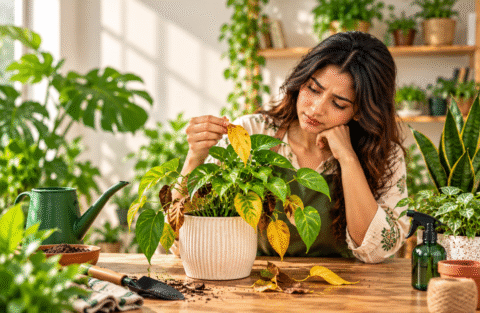
Yellow leaves during the monsoon almost always indicate overwatering. The high ambient humidity means indoor plants need significantly less water than during summer. Check soil moisture before watering — the soil should feel dry 3–5 cm below the surface before you add water. If yellowing is accompanied by a sour or mushy smell from the soil, the plant may have root rot and needs to be repotted into fresh, dry soil immediately.
Yes — several monsoon-thriving houseplants are also documented air purifiers. Peace Lily removes five of the most common indoor pollutants. Snake Plant converts CO₂ to oxygen at night. Spider Plant eliminates carbon monoxide. Areca Palm acts as a natural room humidifier. Pothos removes formaldehyde, benzene, and carbon monoxide. These plants deliver dual value — beautifying your home while actively improving the air you breathe.
On the days when supplemental watering is necessary (during dry spells within the monsoon period), water in the early morning between 6 and 9 AM. Morning watering gives foliage time to dry before cooler evening temperatures, reducing the risk of fungal disease. Avoid watering in the late afternoon or evening, and never water plants that are already sitting in waterlogged soil.
New gardeners should start with Pothos, Spider Plant, Snake Plant, Money Plant, and Rain Lily. These five plants collectively cover all beginners' needs — Pothos and Money Plant for indoor trailing foliage, Snake Plant for architectural indoor presence, Spider Plant for hanging baskets, and Rain Lily for easy outdoor flowering with zero maintenance. All five are forgiving of the occasional care mistake.
The monsoon is actually the best season for propagation. High humidity reduces moisture loss from cuttings before roots form, and warm temperatures accelerate rooting speed. Stem cuttings of Pothos, Money Plant, Philodendron, Coleus, and Spider Plant all root exceptionally quickly in moist soil or water during the rainy season. Even air layering of larger plants like Ficus or Monstera succeeds more reliably during monsoon conditions.
Most established outdoor monsoon plants can handle normal monsoon conditions without intervention. However, container-grown plants with top-heavy foliage — large Caladiums, tall Hibiscus, or climbing Monstera — can be at risk of toppling in strong winds. During storm warnings, move vulnerable pots to sheltered spots or secure them with stakes. Delicate flowering annuals and newly planted seedlings benefit most from temporary shelter during the heaviest downpours.
Mosquito larvae develop in standing water within 24–48 hours. The solution is simple: empty all plant saucers after rain events and do not allow water to pool in any container without drainage. If decorative saucers are necessary, place a small piece of mosquito dunks (Bacillus thuringiensis israelensis) in the water — it kills larvae without harming plants or beneficial insects. Regularly inspect the undersides of large-leaved plants where water pools can form.
Jasmine — particularly the Indian variety Mogra (Jasminum sambac) — produces an intense, intoxicating fragrance that is at its strongest during warm, humid monsoon evenings. A single potted Jasmine plant near an open window can perfume an entire room after rain. Night-blooming Jasmine (Cestrum nocturnum), while not a true Jasmine, is an equally fragrant option that releases its scent specifically after sunset, making it perfect for outdoor relaxation spaces.
Expert Gardening Tips for a Thriving Monsoon Garden
These recommendations come from years of practical monsoon gardening experience across different growing environments — from compact apartment balconies to large terrace gardens and in-ground beds.
Plan Your Monsoon Garden Before the First Rain
The best monsoon gardens are planned in May. Source your plants, prepare your soil or potting mixes, check container drainage, and install any supports or trellises before the rains arrive. Once the monsoon begins, you want to be planting — not problem-solving basic setup issues in the rain.
Layer Your Planting for Visual Interest and Ecological Balance
Rather than planting a single species in a bed or container arrangement, create layered plantings that mimic natural ecosystems. Tall Areca Palm or Hibiscus at the back, medium Syngonium or Caladium in the middle, and low-growing Coleus or Rain Lily at the front creates a visually rich arrangement where each plant contributes to the group’s overall health by providing shade, wind protection, and habitat for beneficial insects.
Use Rainwater Harvesting for Year-Round Benefits
If your terrace or balcony arrangement allows it, position a collection barrel under a downspout during the monsoon. Rainwater is naturally soft, slightly acidic, and free from the chlorine and dissolved salts that city tap water contains. Plants watered with harvested rainwater throughout the year show measurably better growth and leaf colour than those irrigated with treated water.
Invest in a Quality Potting Mix Rather Than Garden Soil
One of the most impactful decisions you can make for container monsoon gardening is using a high-quality commercial potting mix rather than garden soil in pots. Garden soil compacts in containers, drainage is poor, and disease and pest eggs often come with it. A good potting mix provides the aeration and drainage that container plant roots need, especially important during the monsoon when overwatering is the primary risk.
Photograph Your Garden Weekly During Monsoon
The monsoon growth spurt is genuinely dramatic — plants can double in size over a single month under ideal conditions. Photographing your garden weekly not only creates a satisfying record of progress; it helps you spot changes in plant health (discolouration, unusual spots, pest damage) that are easy to miss when you see your plants every day. It also helps you plan improvements for the following year.
Embrace the Monsoon’s Natural Timing
The monsoon is not just a watering system — it is a complete ecological event that plants have evolved with over millennia. Rather than fighting its rhythms, work with them. Let rain do the watering, accept that some pots will overflow, allow leaves to get wet, and trust that the plants you have chosen for monsoon growing will respond to the season exactly as they are designed to. The gardener’s role during the monsoon is largely one of observation and minor intervention, not constant action.
Conclusion: Transform Your Home with the Power of Monsoon Greenery
The monsoon season is not a period of grey skies and inconvenience — it is one of nature’s most generous gifts to gardeners and plant lovers. In the space of a few months, the rains can transform a bare balcony into a lush retreat, fill a living room with life-purifying greenery, and bring the therapeutic presence of nature into every corner of your home.
From the dramatic architectural presence of Monstera to the daily surprise of Rain Lily blooms appearing after each downpour, from the calming fragrance of monsoon Jasmine to the bold colour of Caladium leaves catching the diffused monsoon light — the plants available to you this rainy season represent an extraordinary range of beauty, function, and joy.
The practical benefits are equally compelling. Air quality improves. Stress decreases. The visual environment of your home transforms. And each plant you establish during the monsoon builds a stronger root system, a more resilient character, and a longer life than one planted in any other season. For anyone considering beginning their plant journey, the opportunity to buy indoor plants or establish an outdoor plant for home garden during the monsoon is uniquely favourable.
Begin with a single plant that calls to you from this guide. Place it where you will see it every day. Observe how it responds to the monsoon — the new leaf unfurling after rain, the almost visible growth on a warm, humid morning, the transformation of a corner of your home into a living space in the fullest sense of that phrase. That single plant will likely inspire the next, and the one after that.
The monsoon will not wait for perfect conditions — and neither should you. This season, bring one new plant home and let the rains do the rest. Your garden, your home, and your wellbeing will all be better for it. |